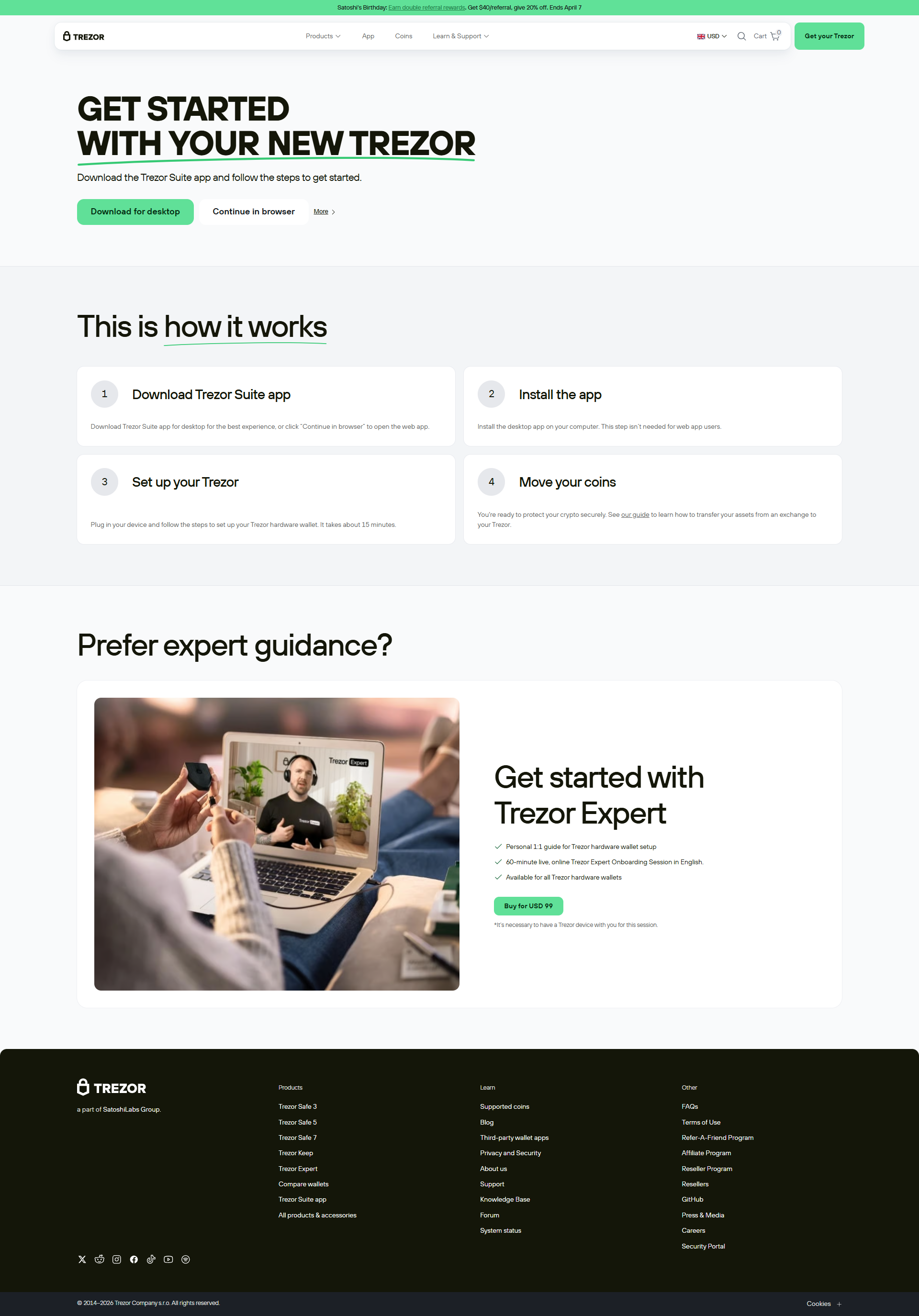
Connecting a hardware wallet to a computer should feel straightforward, but occasional connection issues can make the process confusing for new users. Trezor Bridge is designed to help compatible browsers and desktop environments communicate with a Trezor hardware wallet, providing an important connection layer for wallet management.
Understanding how this connection works and how to maintain it can make everyday wallet sessions easier to manage.
What Is Trezor Bridge?
Trezor Bridge is software that helps establish communication between a Trezor hardware wallet and supported applications running on a computer. Instead of treating the hardware device and browser as completely separate components, Bridge provides a communication pathway between them.
For users who regularly connect a Trezor device to their computer, having the appropriate software installed and maintained can help create a more consistent setup.
Always obtain wallet-related software from official Trezor sources rather than unfamiliar download pages.
Check Your Installation Before Starting
Before troubleshooting a connection, confirm that Trezor Bridge is installed correctly on your computer. If you have recently changed computers, reinstalled your operating system, or removed older wallet software, checking the installation can be a useful first step.
Make sure you are using a current version recommended by Trezor. Outdated software can sometimes create compatibility problems, particularly after other components of your computer have changed.
Avoid installing multiple unofficial versions of wallet connectivity software.
Connect the Hardware Wallet Carefully
Once the software environment is ready, connect your Trezor device using a suitable USB cable. If the computer does not recognize the device, check the physical connection before making more complicated changes.
Try another compatible USB port if necessary. You can also inspect the cable and make sure the hardware wallet is powered and responding normally.
Simple hardware checks can resolve many basic connection problems.
Check Your Browser and Wallet Software
A connection issue is not always caused by Trezor Bridge itself. Your browser, operating system, wallet interface, or security software can also affect communication.
If your device was working previously and suddenly stops being recognized, consider what changed recently. A browser update, operating-system update, security setting, or software installation may have affected the environment.
Change one thing at a time so you can identify what resolves the problem.
Restart Before Making Major Changes
If the device is connected but does not appear correctly, a simple restart can sometimes help refresh the communication process.
Close the wallet interface, disconnect the hardware wallet, and restart the relevant software before reconnecting the device. If the problem continues, consult official Trezor troubleshooting resources rather than downloading random utilities from third-party websites.
Keeping troubleshooting simple helps avoid unnecessary configuration changes.
Protect Your Wallet During Troubleshooting
Security should remain a priority when fixing connectivity problems. Never share your recovery phrase with someone claiming to provide technical support.
A legitimate troubleshooting process should not require you to post recovery words online or enter them into an unknown website.
Be particularly cautious with search results, advertisements, direct messages, and unsolicited support accounts that ask you to install remote-access software or reveal wallet information.
Keep Trezor Bridge Updated
Software maintenance is another useful part of a reliable setup. When an official update is available, review the release information and follow the recommended installation process.
Keeping your computer, browser, wallet software, and Trezor-related components reasonably current can reduce compatibility problems and help maintain a stable environment.
However, always verify that an update is coming from an official source before installing it.
Final Thoughts
Trezor Bridge can play an important role in connecting a Trezor hardware wallet with compatible computer-based wallet environments. When connection problems occur, start with the basics: check the installation, USB connection, browser, operating system, and wallet software.
Most importantly, never sacrifice security while troubleshooting. Keep recovery information private, use trusted software sources, and verify unfamiliar requests before taking action. A simple and consistent setup can make hardware wallet management much easier.